中文简体
中文简体Știri din industrie
Acasă / Știri / Știri din industrie / Ce este mai bun pentru uz casnic: un grătar cu cărbune sau un grătar pe gaz?


Apr 17, 2026
For most home users, a gas grill este alegerea mai bună due to convenience and speed, though charcoal wins on flavor. The ideal grill size is 400-600 square inches for families of 4-6. Electric grills work indoors but lack authentic barbecue flavor. Smoking functions are worth buying only if you cook low-and-slow meats more than 10 times per year.
The charcoal versus gas debate centers on three factors: flavor, convenience, și cost. Your cooking style and lifestyle determine the winner.
Charcoal grills produce authentic smoky flavor through fat and juice vaporization on hot coals. The Maillard reaction creates complex flavors gas cannot replicate. Gas grills use metal bars or ceramic briquettes to catch drippings, producing milder flavor notes.
Gas grills ignite instantly and reach cooking temperature in 10-15 minutes . Charcoal requires 20-30 minutes to reach optimal heat. Gas offers precise temperature knobs, while charcoal demands skill with vent adjustments and coal placement.
| Factorul | Charcoal Grill | Gas Grill |
|---|---|---|
| Initial Price (Entry-Level) | $50 - $150 | $150 - $400 |
| Fuel Cost Per Cook | $3 - $5 (lump charcoal) | $0.50 - $1.50 (propane) |
| Maintenance Cost (Annual) | $20 - $40 | $50 - $100 |
Verdict: Choose gas for weeknight dinners and convenience. Choose charcoal for weekend projects and flavor priority.
Grill size is measured in square inches of primary cooking surface. The right size prevents overcrowding, which causes uneven cooking and steaming instead of searing.
Many grills include warming racks above the primary surface. These add 100-200 square inches for toasting buns or keeping cooked food warm. Do not count this toward your main cooking capacity.
A grill needs 2-3 feet of clearance on all sides for safety. A 500-square-inch grill typically occupies 4-5 feet in width including side tables. Measure your patio or deck before purchasing.
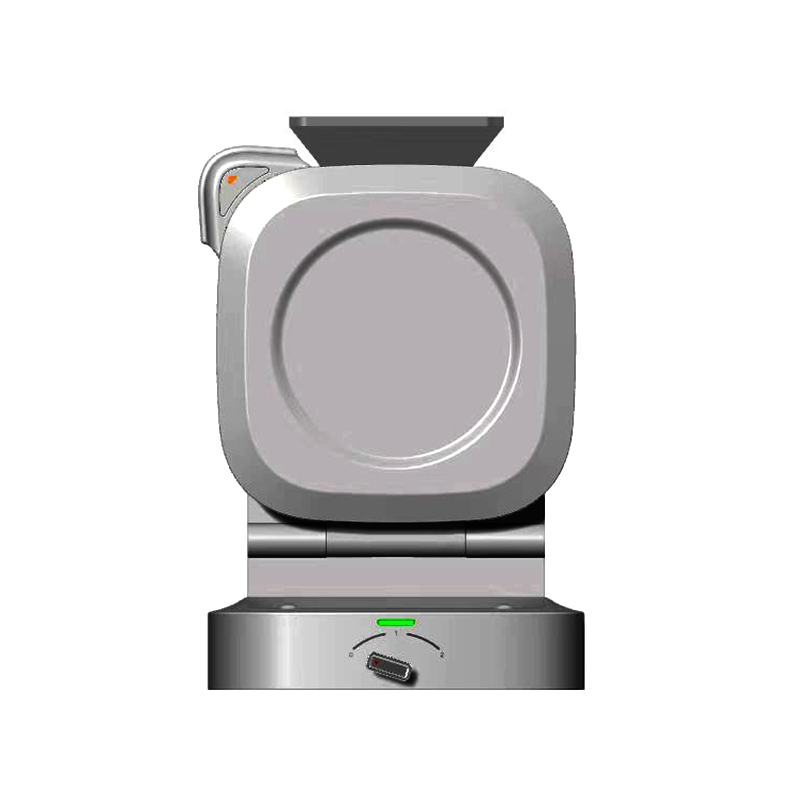
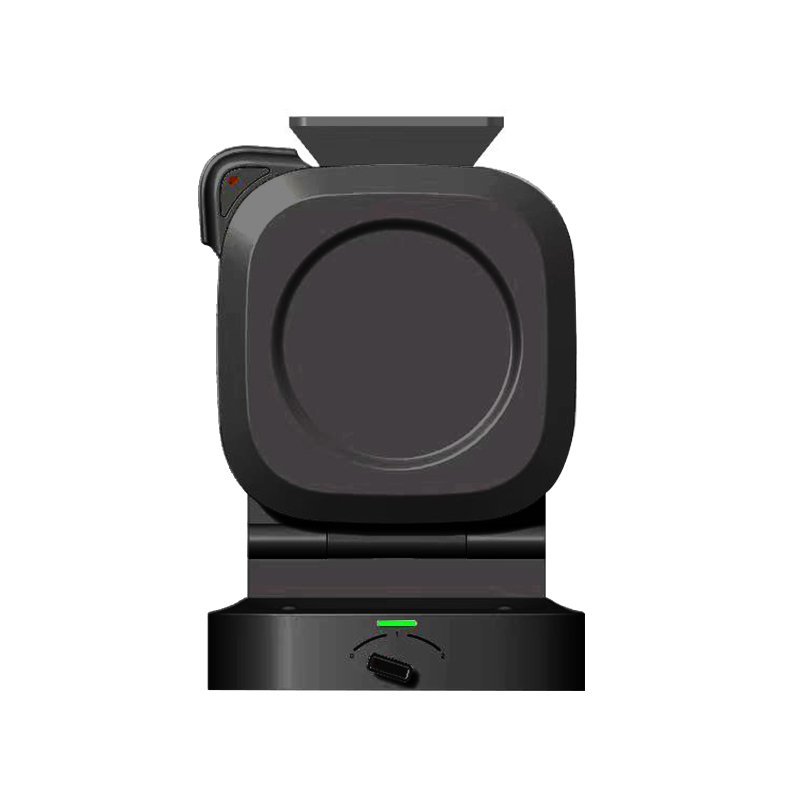
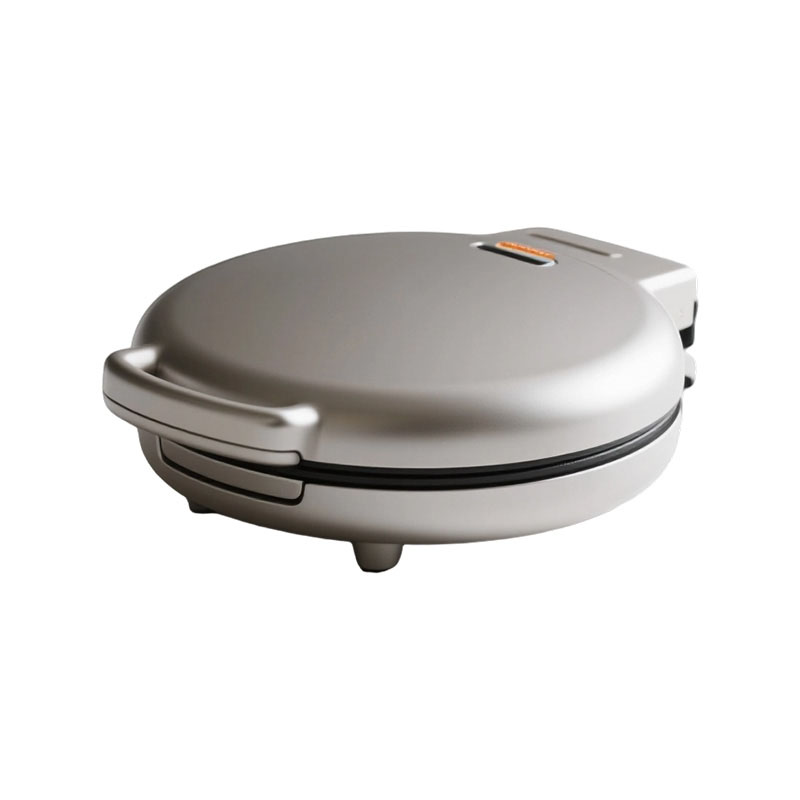
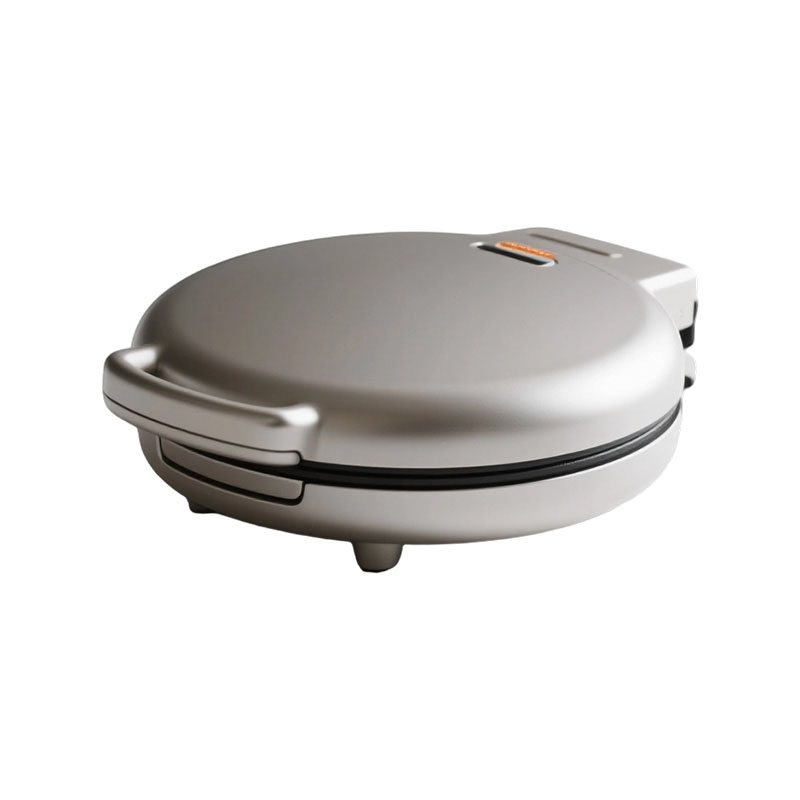
Electric grills and griddles are suitable for indoor cooking but do not produce authentic barbecue results. They use heated elements rather than combustion, eliminating smoke and flame interaction with food.
Indoor electric grills reach 450-500°F , sufficient for searing steaks and cooking chicken. Contact grills (like panini presses) cook from both sides simultaneously. Open-style electric grills mimic outdoor grilling but lack smoke infusion.
Griddles feature flat cooking surfaces without grates. They excel at breakfast foods, smash burgers, and vegetables. You cannot achieve grill marks or fat drainage on a griddle, making them distinct from grilling despite similar appearance.
Electric indoor grills produce minimal smoke but still generate grease vapors. Use them under range hoods or near windows. Never use propane or charcoal grills indoors due to carbon monoxide risks.
The distinction between portable and stationary grills extends beyond mobility to construction quality, cooking capacity, and intended use cases.
| Caracteristică | Gratar portabil | Stationary Grill |
|---|---|---|
| Weight | Under 50 lbs | 100-300 lbs |
| Cooking Surface | 150-250 sq inches | 400-1000 sq inches |
| Grosimea materialului | Thin steel or aluminum | Heavy cast iron or thick stainless |
| Retenție de căldură | Poor (fluctuates with wind) | Excellent (consistent temperatures) |
| Cel mai bun caz de utilizare | Camping, tailgating, balconies | Primary home cooking, large gatherings |
Buy portable if you have limited storage, travel frequently, or grill fewer than 20 times per year. Buy stationary if grilling is your primary cooking method during warm months or you host regular outdoor gatherings.
A smoking function is worth the investment if you cook brisket, pork shoulder, or ribs more than 10 times annually. For occasional smoking or quick weeknight grilling, the premium price may not justify the feature.
Dedicated smokers or pellet grills cost $300-$2,000 more than basic grills. If you smoke meats twice monthly, the cost per use drops below $25 after two years. If you smoke quarterly, consider a smoker box add-on instead of a dedicated unit.
Pellet grills excel at smoking but often struggle to exceed 500°F , making high-heat searing difficult. Hybrid grills with separate gas and charcoal/smoker chambers offer versatility but consume significant patio space.
Quality gas grills last 5-15 years depending on materials and maintenance. Stainless steel burners outlast cast iron. Charcoal grills last decades with proper care since they have fewer moving parts.
Many gas grills offer conversion kits for $50-$100 . Natural gas provides unlimited fuel supply but requires professional line installation. Orifices must be changed because natural gas operates at lower pressure than propane.
Clean grates after each use. Empty grease traps monthly on gas grills. Check burner tubes for clogs annually. Replace flavorizer bars every 2-5 years . Cover your grill when not in use to extend lifespan by 30-50% .
Infrared side burners reach 1,000°F for steakhouse-quality searing. They cost $100-$300 extra. Worth buying if you prioritize steak crust or cook thick cuts frequently. Standard burners handle most grilling adequately.
Seek grills with flame tamers (prevents flare-ups), stable wheel locks , and cool-touch handles . Gas grills should have individual ignition systems per burner for reliability. Keep fire extinguishers rated for grease fires (Class B or K) within 10 feet.
Dedicated to producing kitchen appliances that are highly welcomed by customers
Follow our social media to learn more about our updates


+86-13805815092

11 Beihai Road, strada Xinqi, districtul Beilun, orașul Ningbo, provincia Zhejiang, China